Ben Sampson Headshot

Hey, I'm Ben!

I build, buy, and invest in businesses.

I've had 2 successful exits. Way more failures.

I send one action packed email a week called a 1x1x1 covering crazy cool businesses I spot, updates on what we're building and buying, and lessons from the journey of an entrepreneur.  

My current projects:

Luna

Accredited

Pono Ventures

Get access to my weekly newsletter

I send one action packed email a week called a 1x1x1 covering crazy cool businesses I spot, updates on what we're building and buying, and lessons from the journey of an entrepreneur.

Success! Check your inbox every week.

Didn't see my email? Check that sensitive spam folder.

Have a kick ass day!

Oops! Something went wrong while submitting the form

Ben's 1x1x1 - Steal this playbook - May 21, 2026 🚀

For those of you that are new here, every week I send what I call a 1x1x1.

One thought from my week.
One interesting find/tool from my week.
One image from my life.

Let's dive in 👇

Thought from the week

I love a good playbook.

It makes this messy world of startups and business feel a little less chaotic.

Less “searching for buried treasure with a paper map and a flashlight running out of batteries.”

More “Google Maps to the closest Trader Joe’s while listening to a podcast about passive income from laundromats.”

I heard a playbook this week that I loved for B2B products.

And even if you aren’t building a B2B product, I still think there are some really valuable lessons here.

Meet Mike Hill.

Mike is a serial entrepreneur who is apparently incapable of missing.

He’s now 5 for 5 on successful B2B products.

I’m personally more like 3 for 10.

Which means Mike is basically Steph Curry and I’m the guy at LA Fitness yelling “that rim is crooked.”

But Mike’s success isn’t random.

He has a very intentional blueprint.

Here are a few things he does exceptionally well:

Don’t build anything new

Mike ONLY builds things that already exist.

He looks for products that are:

  • Overpriced
  • Clunky
  • Ugly
  • Have terrible UX
  • Or clearly haven’t evolved in years

The point is: The market is already proven.

He’s not trying to convince people they need a thing.

That’s one of the hardest parts of startups.

Instead, he walks into an existing market and simply says: “What if this didn’t suck?”

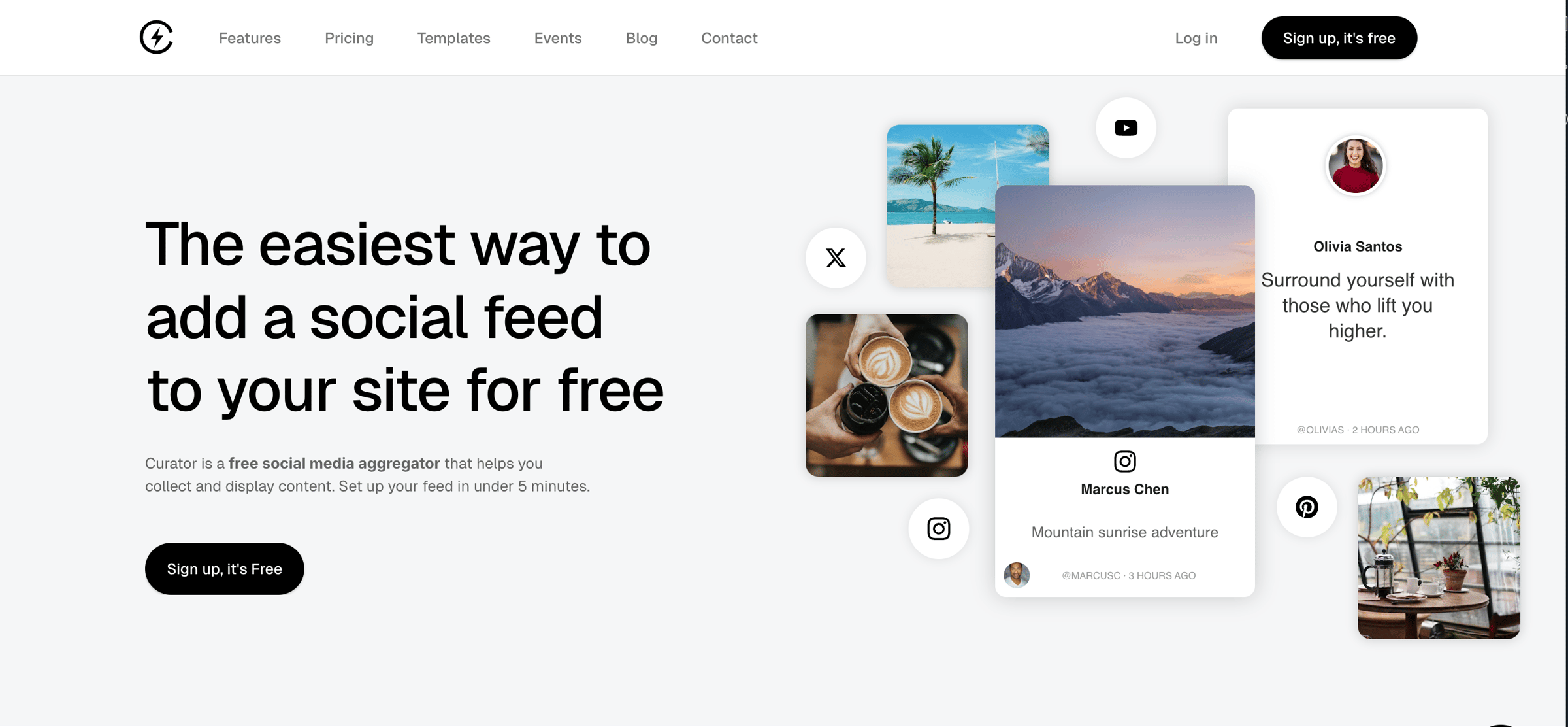
One of his businesses is Curator.

Social feed aggregation has existed forever. Completely proven market.

He just built a better version with a cleaner experience.

Simple. Not easy. But simple.

A lot of founders try to invent teleportation before they’ve learned how to build a bicycle.

The first 1,000 customers matter

Mike builds the MVP and then launches it as a Lifetime Deal (LTD).

For example: Pay $50 once and get the product forever.

No subscription.

And honestly? That’s a VERY attractive offer when every software company on earth is trying to charge you:

  • $29/month
  • per seat
  • billed annually
  • plus usage fees
  • plus “AI credits”
  • plus your first born child

The LTD is limited to the first 1,000 customers, which creates urgency.

But these first 1,000 customers are doing way more than generating revenue.

They become:

  • Product testers
  • Feedback loops
  • Evangelists
  • SEO fuel
  • Social proof

Mike asks every early customer to leave a review on Trustpilot.

That creates a massive compounding advantage:

  • Better SEO
  • Better AI discoverability
  • More trust
  • Higher conversion rates

Most founders obsess over building features (guilty as charged).

Mike obsesses over distribution and credibility early.

That matters.

Because the best software in the world with zero trust signals still feels sketchier than a gas station sushi tray.

Since the product is being offered as an LTD, Mike lists it on AppSumo which helps him get those first 1,000 users much faster.

And there’s another underrated advantage here:

Cash flow.

If 1,000 people buy a $50 LTD…

That’s $50K.

Which suddenly gives you:

  • More runway
  • More marketing budget
  • More development resources
  • More time to breathe

$50K in your first month?

Yes please.

Flip to MRR

Once the product has:

  • Been battle tested
  • Collected reviews
  • Built credibility
  • Improved through feedback
  • Proven demand

Mike flips the model to recurring revenue.

Now instead of selling hope… He’s selling a validated product with social proof.

Huge difference.

And one thing I really respect about Mike’s approach:

He plays the long game.

These aren’t “I vibe coded this over a Red Bull fueled weekend and now I’m posting screenshots of Stripe on Twitter” businesses.

He builds in focused 6 - 12 month sprints.

Thoughtful. Intentional. Sustainable.

Which is honestly refreshing in a world where startup content sometimes feels like: “18-year-old builds AI company in 4 hours from a hammock in Bali.”

Nice work Mike.

Take a look at some of his businesses:

Image from my life

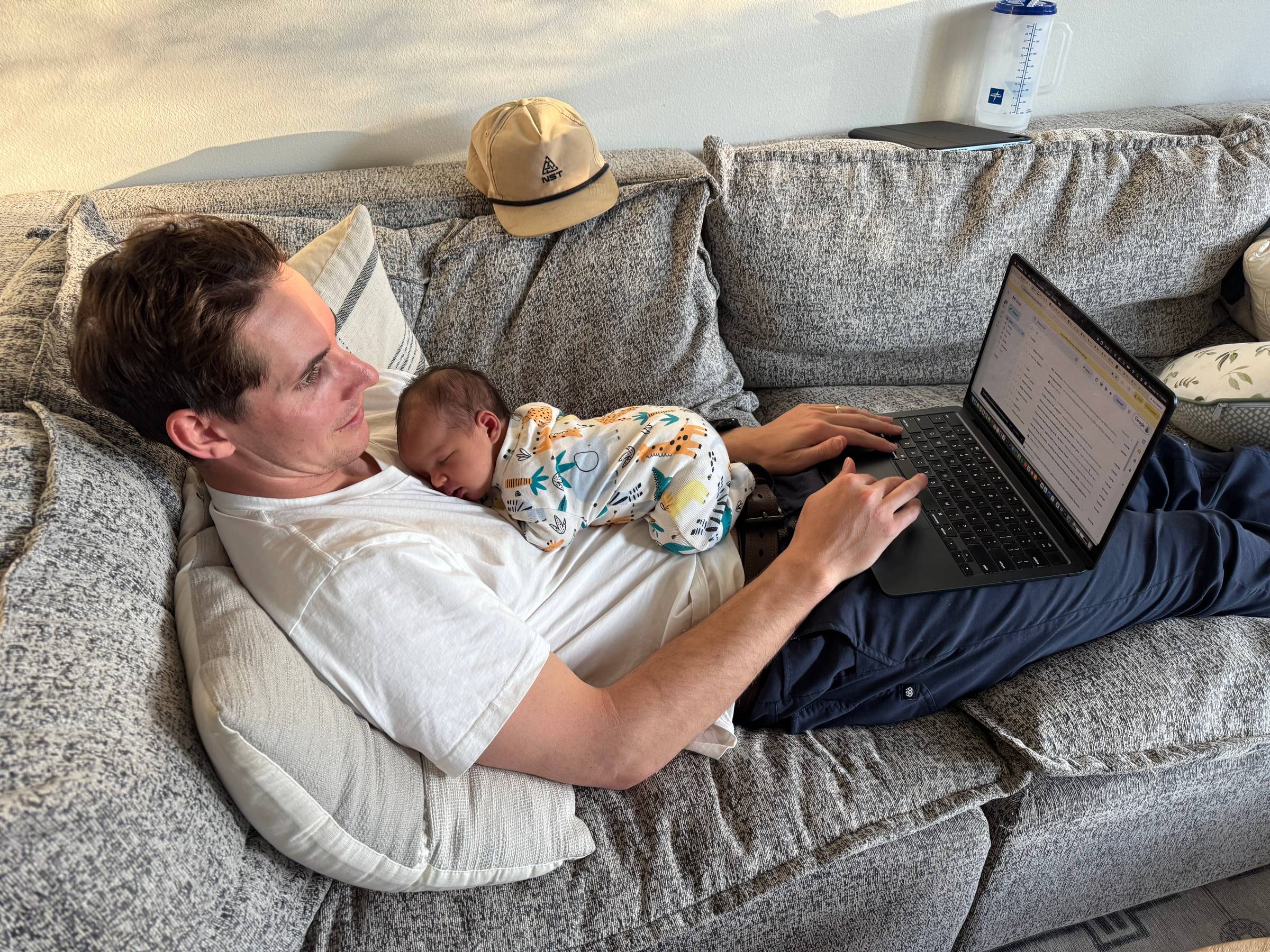
We welcomed our second baby girl into the world.

As a result, this is the new office for awhile.

The commute is great.

The coworkers are adorable.

HR is a disaster.

See you all next week!